Horror sound effects are the non-musical audio elements that make a scene frightening — drones and dark atmospheres, dissonant stingers, risers, impacts, ghostly whispers, screams and creepy foley. Editors layer them under picture to build unease, land scares and unsettle an audience, separately from any melody or finished score.
Search “scary sounds” and you get a wall of random clips: one-off rips with no licence, mismatched volumes, half of them unusable in a real edit. What you actually need is a clear map of the sounds horror uses, what each one is for, and where to get versions you can legally drop into client and YouTube work. That’s what this guide is.
What Counts as a Horror Sound Effect?
A horror sound effect is a single, placeable audio element designed to frighten or unsettle — as opposed to horror music, which is the continuous tonal score that runs underneath. Sound effects are the punctuation: the screech on the reveal, the boom on the cut, the whisper behind the dialogue. People search for them under many names — scary sounds, creepy sound effects, horror sfx, spooky sounds, eerie sound effects — but they all point to the same toolkit.
The distinction matters because the two jobs are different. Music sets and sustains a mood; effects mark specific moments in time. Most frightening scenes use both — a dread-filled bed of tone, with sharp effects placed on the beats that need a jolt. Get the effects right and even a quiet, near-silent scene can be terrifying.
The Core Types of Horror Sound Effects
Almost every scary moment is assembled from a handful of effect categories. Knowing them by name turns “hunting for something creepy” into picking the right tool for the beat you’re cutting.
- Drones & dark atmospheres. Sustained low tones and room ambiences that hold dread under a scene — the bed everything else sits on. The searches here are creepy background sounds, eerie sound effects, analog horror textures.
- Stingers. Short, sharp dissonant hits — the classic screeching horror violin — that punctuate a reveal or shock. A second or two, landed exactly on the cut.
- Risers & build-ups. Rising swells that gather tension and tell the body something is coming, leading the ear into the scare.
- Impacts, booms & braams. The deep hit that lands the shock, the slam of the door, the cut to black.
- Jump-scare hits. The sudden combined attack — stinger plus impact — dropped on the frame the audience least expects, usually after a split-second of total silence so the hit lands in a vacuum.
- Ghost & paranormal. Whispers, disembodied voices, breaths and unexplained movement — ghost sounds, creepy whispers, creepy voices.
- Creepy foley & textures. Creaks, scrapes, metallic groans, wet and organic detail that make a space feel wrong.
- Screams, monsters & creatures. Human terror and inhuman growls — horror screams, scariest monster sounds, scary creature sounds.
Where Editors Reach for Scary Sounds
The same toolkit serves a surprising range of work. Horror shorts and feature trailers are the obvious home, but true-crime and documentary editors use drones and stingers to make a re-enactment land, and thriller cold-opens live or die on a single well-placed impact. Gaming and streaming creators pull horror effects constantly — from Roblox horror edits to reaction overlays — and the season spikes hard every October, when scary Halloween sounds and creepy Halloween effects become some of the most-searched audio on the web.
Across all of them the need is the same: a clean, licensed library of frightening sounds you can drop in without doing original sound design from scratch, and without risking a copyright claim on a published video.
Layering Horror SFX With a Tonal Bed
Single effects are good; layered effects are cinematic. The trick the pros use is to combine your stingers, risers and impacts with a tonal drone — and keep everything in the same musical key. When the dissonant bed, the riser and the hit all belong to one harmonic world, they stack and cross-fade without turning to mud. Mismatched keys are exactly why two “scary” clips from random libraries so often clash.
This is where Duende’s tonal, key-matched approach does the heavy lifting: the atmospheres and tonal hits are built around one key by design, so building a scare becomes stacking layers rather than fighting them — a dissonant drone, a riser and a stinger that agree harmonically instead of clashing in two different keys.
Build a scare — stack the layers
Every layer here is from our Widescreen Horror kit, locked to one key. Press play, then shuffle — drone, texture, phrase and FX stack cleanly instead of clashing.
For the full step-by-step method of layering these into a tension build — drone, dissonance, riser, impact, silence — see our guide to building tension with sound.
What Makes Horror SFX Worth Using — Quality & Licensing
Two things separate a usable horror library from a folder of free downloads. The first is fidelity: real cinematic effects are recorded and designed at full quality, so a deep impact actually moves air on a good system instead of sounding thin. The second — the one that bites later — is licensing. A scary clip ripped from a video can trigger a copyright claim on your upload, and disputed or false claims are common enough that YouTube documents the entire claims and dispute process.
Before you rely on any horror sound, confirm it’s royalty-free, clears Content ID, and is cleared for client and commercial work with no per-use fees. If you want to hear Duende’s quality before buying, start with the free horror sound pack — a small set of drones, risers, impacts and unsettling textures you can drop straight into an edit. For a plain-language breakdown of how kits, albums and FX differ, the product types explainer is worth two minutes.
Build Your Horror SFX Toolkit
You don’t need a thousand random files — you need one of each core type, at quality, in compatible keys. Three Duende packs cover the horror toolkit between them: a horror kit for the drones and dark atmospheres that carry the dread, a pack of impacts for the booms that land scares and reveals, and a pack of risers and whooshes to drive each build into those hits. Because they’re key-matched, they stack into complete scares instead of clashing.
Reach for these to build it:
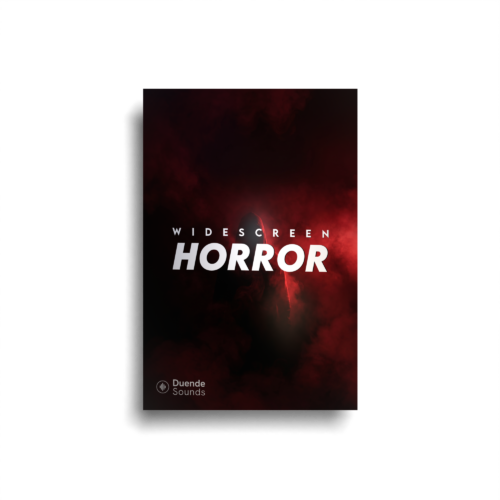
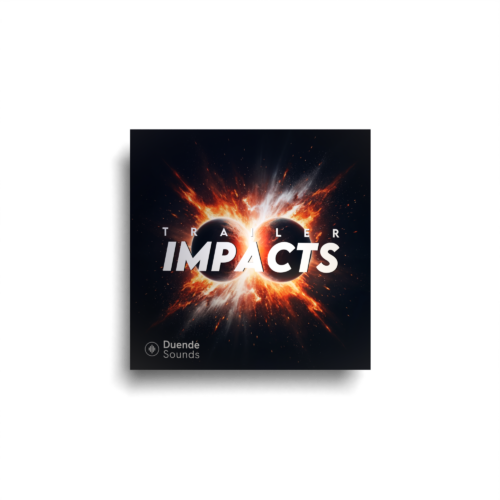
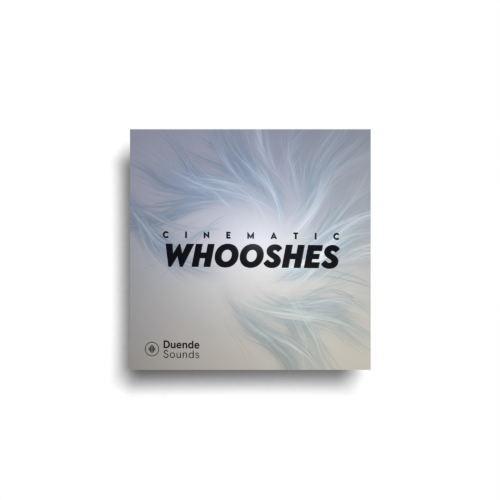
Start with the horror kit for atmosphere, add the impacts and the risers, and you can score a scare for every cut — one-time purchase, yours forever, no subscription. You can also browse the full range of packs if a project drifts from dread toward something more epic or atmospheric.
Frequently asked questions
What sounds are used in horror movies?
What is a horror sting or stinger?
How do I make a jump-scare sound effect?
Are these horror sound effects royalty-free and safe for YouTube?
Where can I get free horror sound effects?
What’s the difference between horror sound effects and horror music?
What makes a sound scary?
Score the Scare on Your Terms
Stop stitching together mismatched clips and start building frights from a real toolkit. Grab a horror kit, a set of impacts and a few risers, layer them in one key, and land your next scare exactly on the frame — then let the silence do the rest.