PremiumBeat Alternative: Buy Music Once, Keep Using It
PremiumBeat Alternative: Buy Your Music Once and Keep Using It
The best PremiumBeat alternative depends on what you want to own. If you like paying per track but license the same kind of music project after project, a one-time purchase of a soundtrack kit you keep using removes the per-project step — and modular, key-matched stems let you shape the cue to the length and arc of your cut instead of editing around a fixed track.
Why editors look for a PremiumBeat alternative
PremiumBeat is a curated, well-regarded single-track marketplace, and buying per track is a genuine ownership option — you pay once for a track and the licensed project stays licensed. So the reasons people look elsewhere usually aren’t about quality. They’re about reach. PremiumBeat licenses music track by track, and its Creator and Standard licences each cover all edits and language versions of a single project, worldwide, in perpetuity. That’s clean and clear — but if you make the same kind of cinematic or emotional work again and again, a track you want in your next project is licensed again for that project.
The other common reasons: a finished stereo track doesn’t always match the length or emotional arc of a scene, so you cut the picture to fit the music rather than the other way round; you want more variation from a single purchase; or you want client-work rights without checking which licence tier a given use needs each time. None of this makes per-track a bad model — it just points some buyers toward a different one.
The three models, compared honestly
Most “alternatives” lists mix per-track marketplaces, subscription libraries and free sites together without explaining how the licence works. There are really three models, and the right one depends on how often you reuse music. The cells below use cautious wording — always read the actual licence before you rely on it.
| Per-track licence (e.g. PremiumBeat) | Subscription library | One-time purchase kit (Duende Sounds) | |
|---|---|---|---|
| What you pay for | A licence for one track | Ongoing access while you subscribe | A kit you own, once |
| Scope of one purchase | One project (check the licence wording) | Everything in the catalogue while your plan is active | Every project — you keep using it |
| Reusing a track next project | License again for the new project if the licence requires it | Allowed while subscribed | Reuse freely, no new purchase |
| After you stop paying | The licensed project stays licensed | Published work generally stays licensed; new work needs an active plan (check terms) | You keep using what you bought |
| What you receive | A finished track plus its edits | Finished tracks | Layered, key-matched stems plus tonal design elements |
| Best for | One specific track for one project | High-volume, varied output while active | Reusing and reshaping score across many projects |
Subscription libraries are the other common route; if that’s what you’re weighing, we compare them directly in our Epidemic Sound alternative, Artlist alternative and Soundstripe alternative guides. This page is about the other ownership route — buying once.
Per-project vs. keep-using: what it means in practice
A per-track licence is scoped to “a single project.” In practice, what counts as one project — a campaign, a film, a series, a channel — varies by provider and by licence tier, so the only reliable answer is to read the licence wording for the track you’re buying. For a one-off piece, that scope is perfectly clean: you buy the track, your project is covered worldwide in perpetuity, and that’s that.
Where the maths changes is reuse. If you’re an editor cutting a new wedding film, brand spot or episode every week and you reach for the same emotional register each time, a per-project model means revisiting the licence for each new project. A kit you own changes that: you buy it once and keep using it across projects and clients. We don’t put numbers on this — your volume decides whether that matters. If you want to understand licensing scope generally, our sync licence guide explains the terms.
Finished track vs. kit: what you actually receive
A finished stereo track is a fixed arrangement. It’s ready to drop in, and you edit your picture — or trim and loop the audio — around it. That’s often exactly what you want. A soundtrack kit gives you the track’s building blocks instead: a low foundation (drones, pads), a mid layer (loops, chords) and a top layer (melodies), largely in one shared key, plus tonal design elements — hits, impacts, risers and transitions — tuned to that same key.
Because the layers share a key, they stack and transition without clashing. You build the cue to the scene: drop the top melody under dialogue so it doesn’t fight the voice, then bring it back for the reveal; stretch the foundation to ride under a slow montage; drop a riser into the cut point. You’re scoring to the edit rather than cutting the edit to the track. We go deeper on this in our guides to music stems and layering and tonal sound design.
When PremiumBeat is still the better fit
A kit isn’t the right answer for everyone, and it would be dishonest to pretend otherwise. PremiumBeat is the better choice when you need one specific finished track for one project and want it ready to go; when you want a curated catalogue across many genres to browse through for exactly the right piece; when you need a higher licence tier — for broadcast TV or radio, VOD/OTT, or industrial use, limited to a set number of countries — and want that handled per track; or when you simply prefer the simplicity of one finished file over a folder of layers to assemble. Note that PremiumBeat’s higher tiers are sold as single-track purchases, while it offers unlimited subscriptions at its Creator and Standard licence levels — so it already spans two of the three models. If your work is one-off and varied, per-track is a sound call.
Who a one-time kit suits better
A kit you own tends to fit editors, wedding and event videographers, YouTubers and small agencies who reach for cinematic or emotional score across many projects and clients — people who’d otherwise be licensing the same kind of music repeatedly. It also suits anyone who wants to shape music to the cut rather than cut to the music. If that’s you, buying once and reshaping the layers project after project is where the one-time model earns its place. If you want the full picture of the no-subscription route, see our guide to royalty-free music without a subscription.
The Duende Sounds approach
Duende Sounds makes licensed soundtrack kits and tonal sound design on the one-time model: you buy a kit once, there’s no subscription, it’s royalty-free, and it’s yours to keep using in new videos and in commercial and client projects. Each pack is built largely around a single key so the modular stems stack cleanly, and you can combine finished cues or build your own from the layers. Before you commit, try the layers in the free web mixer — audition how the foundation, mid and top stack, and hear the key-matched design elements in context.
Every layer you’re mixing here is pulled straight from our Moods and Emotional Ambiances series — finished cues you can also break down into stems. Press play, then hit New mix to reshuffle; it all stays in one key, so the layers never clash.
Grab the packs the mixer is pulling from:
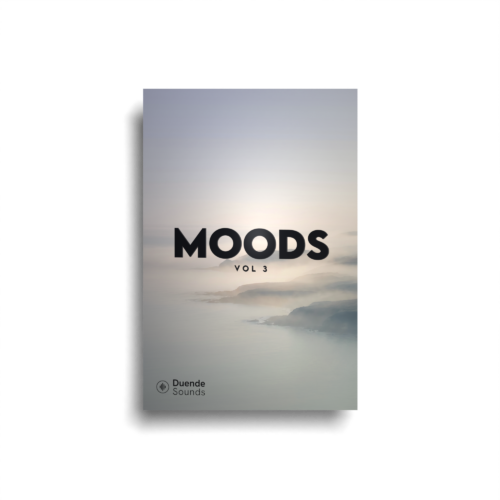
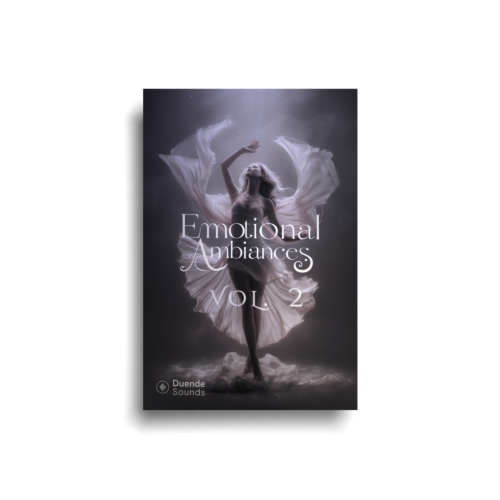
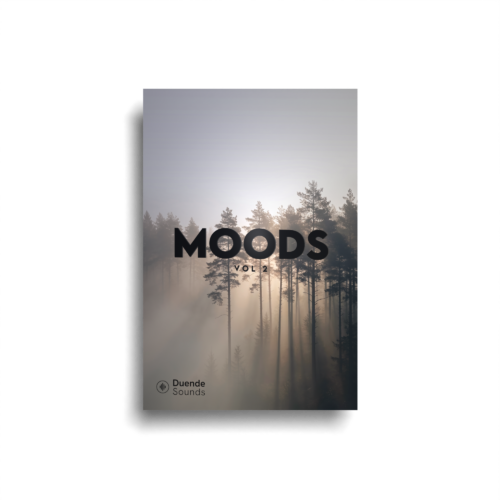
Here are a few kits that suit editors coming from a per-track habit — cinematic score plus the tonal design elements to punctuate it:
Reach for these kits to build it:
How to switch without risk
You don’t have to pick one model forever. A low-risk way to move: keep your licence proofs for every past project so your existing work stays documented; before you reuse a track you bought per-track, check what that specific licence covers; for each new project, decide whether you need one finished track or a reusable kit; and audition the layers in the free mixer before you buy anything, so you know a kit fits your style before it’s in your library.
Frequently asked questions
What is the best PremiumBeat alternative?
Is PremiumBeat a subscription or a one-time purchase?
Can I reuse a PremiumBeat track in another project?
What is a good PremiumBeat alternative for client work?
Are there sites like PremiumBeat where you own the music?
Can I edit or shorten music from a one-time kit to fit my video?