Sync License: What Video Editors Actually Need to Clear Music
Sync License: What Video Editors Actually Need to Clear Music
A sync license (synchronization license) is permission from the owner of a musical composition to pair that music with moving pictures — film, video, ads, games, or online content. If you use an existing commercial recording, you also need a master use license from whoever owns that specific recording. Together, those two rights let you sync music to picture legally.
Most writing about sync licensing talks to songwriters who want their music placed. You are on the other side of the deal. You have a cut, a deadline, and a piece of music you want under it — and someone told you that you need “a sync licence” before you can ship. This page is written for you: the person clearing the music, not the person pitching it.
The Four Rights Inside a Recorded Song
A commercial recording carries several separate rights, owned by different people. A sync license is only one of them. The table below shows what each right covers, who usually grants it, and whether a video maker normally has to clear it. Wording here is deliberately cautious — the details depend on your use and your territory, so always check the actual license and ask the rights holder.
| Right | What it covers | Who usually grants it | Does a video maker usually clear it? |
|---|---|---|---|
| Synchronization (sync) | Pairing the composition (the song itself) with picture | The publisher / songwriter | Yes |
| Master use | Using the specific sound recording | The label / recording owner | Yes, if you use an existing recording |
| Public performance | The performance of the work when broadcast, screened or streamed | Performing-rights organisations | Often handled by the broadcaster, venue or platform rather than the editor — check |
| Mechanical | Reproducing the composition as audio copies (e.g. releasing a soundtrack album) | The publisher (via licensing bodies) | Rarely — usually not the editor’s problem |
For most video work, the two that land on your desk are sync and master use. The other two are usually someone else’s job — but if you ever press copies or release a soundtrack, revisit them. If any term here is unfamiliar, the sound glossary defines them in plain language.
Sync License vs Master License
The sync license covers the composition — the melody, chords and lyrics as written. The master license covers one particular recording of that composition. They are separate because the people who wrote a song and the people who recorded it are often not the same.
Three scenarios make the distinction concrete. Use the original hit recording and you need both a sync and a master license. Re-record or cover the song yourself and you own the new master, so you only need the sync for the underlying composition. Use music that was written and recorded specifically for licensing, and a single license can grant sync and master together — one owner, one agreement, no two-sided negotiation.
What a Sync License Actually Specifies
A sync license is not a yes/no stamp. It is a set of terms, and each one narrows what you are allowed to do. When people ask what a sync license looks like, this is it — a document that names specifics and holds you to them.
- The work and the production: which song, in which project.
- Type of use: background, featured, or opening titles.
- Duration: how long the cue runs on screen.
- Media: online only, broadcast, cinema, or all media.
- Territory: one country, a region, or worldwide.
- Term: a set period or perpetual (forever).
- Exclusivity, credit requirements, and the basis of the fee.
Change any one of these and the answer changes. Wider media, bigger territory, a longer term and a famous song all push the clearance toward slow and expensive, because a well-known track may have several owners who each have to agree. That is why clearing a hit song can take weeks, and why a lot of video work never goes near a negotiated deal.
How to Get a Sync License for a Commercial Song
Clearing an existing commercial track follows a predictable path. Give yourself time, and get everything in writing before you lock picture.
- Identify the composition’s publisher (or publishers — songs with several writers can mean several), and separately the owner of the recording.
- Request a quote from each, giving the full use details: type of use, duration, media, territory and term.
- Clear both the sync side and the master side.
- Get both licenses in writing before you lock your edit.
- Budget time; one party saying no can stall the whole thing.
This is not legal advice — for high-stakes releases, a music-clearance professional is worth it. The short version: get it in writing, and when in doubt, ask the rights holder.
Do I Need a Sync License for YouTube?
Yes. Putting music to picture online is still synchronization, so the same rules apply to a YouTube video as to a broadcast spot. The traps catch people because they feel like permission but are not.
- Buying or streaming a song is a license to listen, not to sync it to video.
- A credit line in the description is not a license.
- “Under 30 seconds is fine” is a myth — there is no free duration.
- A Content ID claim is not permission; it lets the rights holder monetise or block your video.
- A cover song still needs the composition’s sync, even if you recorded it yourself.
The claim side of this — what happens when a match fires and how clearing music avoids it — is covered in more depth in our guide to royalty-free music licensing.
Film Festivals, Independent and Short Films
Indie and festival filmmakers hit a specific trap: a festival-only license. It covers screenings at festivals and nothing more. That can be cheaper and quicker, which is why it is tempting on a short film with no budget.
The problem arrives if the film gets picked up. A distributor will ask exactly what your music licenses cover, because they need all-media and often worldwide, perpetual rights. If your music was cleared only for festivals, you may have to renegotiate every cue — or recut the film — right when momentum matters most. Clearing broader rights up front, or scoring with music that already grants them, keeps that door open.
How Royalty-Free Licenses Work as Pre-Cleared Sync
A library or royalty-free license is usually a pre-cleared bundle. One rights holder controls both the composition and the recording, and grants sync and master use together on standard terms. There is no publisher to chase, no label to clear separately, and no per-project quote. That is why most everyday video work never needs a negotiated sync deal at all. Some production libraries license per use instead, billing every placement as a separate needle drop.
“Royalty-free” describes the licensing model, not the quality. It means you are not paying ongoing royalties per use. Still read the wording: check which media are allowed, whether commercial and client work is covered, and whether you are permitted to release the music as part of a soundtrack. If you want to avoid recurring fees entirely, look for royalty-free music without a subscription.
How Duende Licenses Music for Video
Duende Sounds music is licensed for video with a one-time purchase: royalty-free, no subscription, no per-project quote, cleared for commercial and client video use. One license covers both the composition and the recording for video — so you are not stitching together a composition clearance and a recording clearance for every cue.
It also arrives in a shape built for editing. Instead of fixed songs, each Soundtrack Kit comes as modular, key-matched stems — a low foundation layer, a mid layer, and a top layer, largely in one shared key, plus tonal design elements tuned to the same key. Because everything shares a key, the layers stack and cross-fade without clashing, and you build the cue to the exact length of the scene. That is the same idea behind underscore music and our deeper look at music stems and layering. Try the layers before you buy anything:
Every layer you’re mixing here is pulled straight from our Moods and Emotional Ambiances series — finished cues you can also break down into stems. Press play, then hit New mix to reshuffle; it all stays in one key, so the layers never clash.
Grab the packs the mixer is pulling from:
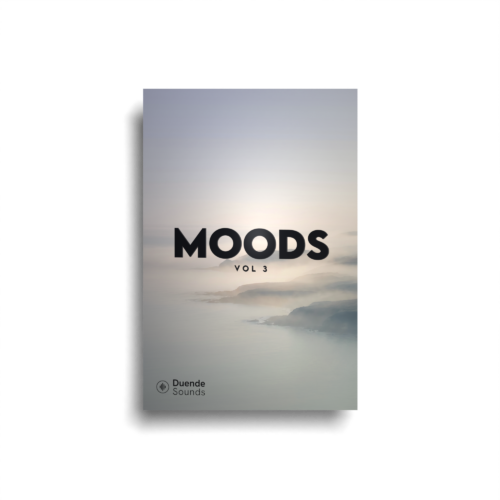
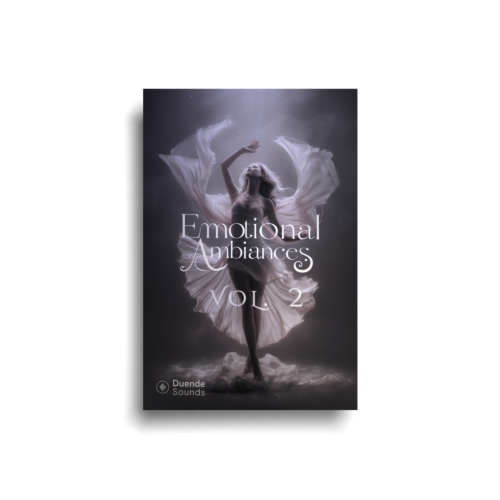
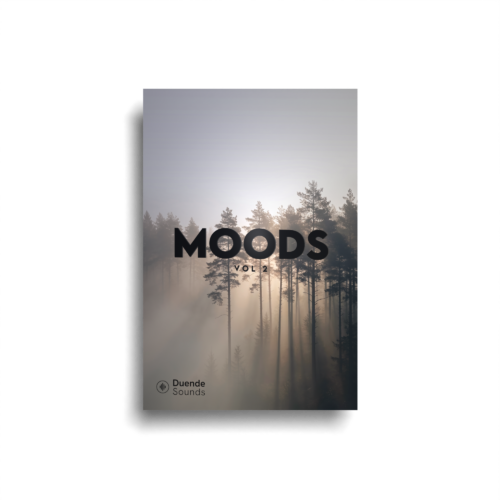
For drama and general scoring, a cinematic kit covers most briefs; for emotional, intimate scenes, mood and ambience collections sit underneath dialogue without fighting it. A good starting set:
Reach for these kits to build it:
Checklist Before You Lock Picture
- List every music use in the project — temp tracks included.
- For each one, note which rights you need and from whom.
- Get every license in writing before you lock the edit.
- Match media, territory and term to where the video will actually go — including future distribution, not just today’s release.
- Keep proof of each license filed with the project.
- For music you reuse across client work, prefer pre-cleared, one-time licenses so you never re-clear the same cue twice.
Frequently asked questions
What is a sync license?
What is the difference between a sync license and a master license?
Do I need a sync license for YouTube?
How do I get a sync license for a song?
How much does a sync license cost?
Does royalty-free music include a sync license?
Clearing music does not have to be a negotiation. Choose music that already grants sync and master for video, build the cue to fit your scene, and keep the license on file — then ship. Browse the Duende packs and score your next edit without the paperwork.