The Best Artlist Alternative for Editors Who Want to Own Their Music
The Best Artlist Alternative for Editors Who Want to Own Their Music
The best Artlist alternative depends on a question most “alternatives” lists skip: do you want to rent music or own it? Nearly every option marketed as an alternative is another subscription. Duende Sounds is different — a one-time purchase. Buy a kit or album once and keep the right to use it, on new projects, for good.
Why editors go looking for an Artlist alternative
If you’re searching for an alternative to Artlist, you’ve usually hit one of two walls. The first is cost that never stops: the subscription bills every month whether or not you shipped anything, and the total only grows the longer you stay. The second is fit — you want more cinematic and trailer material, or more control over how music sits against picture, than a finished-track catalogue gives you. Both are real. But notice what almost every “best Artlist alternative” list quietly assumes: that the answer is simply a different subscription. Swap one monthly bill for another, keep renting. That framing is the thing worth questioning before you compare a single feature or price.
Rent vs own: the licensing reality nobody tables
Here’s the accurate version, because accuracy is the point. With a subscription library — Artlist, and the wider category including Epidemic Sound, Soundstripe, Musicbed or Uppbeat — projects you published while your plan was active generally stay licensed. Your back catalogue is fine. What you lose when you stop paying is the right to keep building new work from the music you downloaded. Your archive is safe; your future work needs an active plan. For an editor with a steady stream of new client jobs, that’s a cost that never appears in the pricing table. A one-time purchase inverts it: you buy the music once and keep the right to use it on new projects years later, whether or not you ever buy again. That’s ownership, and it’s a genuine category — one those listicles leave out entirely.
There’s a maths problem too. Irregular work bills badly under a subscription: a big project, then a quiet stretch, and you pay most in the months you earn least. Reading on royalty-free music without a subscription and how royalty-free music licensing actually works is worth the time before you renew anything.
What most “alternatives” lists get wrong
Two things. First, the ownership category is simply absent — every entry is another subscription, an all-in-one asset bundle (also a subscription), or an AI generator. Second, and more telling for an editor: none of them talk about what you actually do all day, which is cutting music to picture. Stems, layering, key-matching, tonal design elements — the tools that decide whether a cue lands on the beat or floats near it — go unmentioned. The handful of small buy-once catalogues that do rank tend to be thin in honest ways: a few hundred tracks, often one composer, finished songs only, no stems, no way to audition and combine before you buy. Beating that isn’t hard; it just requires talking about how music behaves in a timeline, not only what it costs.
What Duende does differently: stems, key-matching, one-time
Duende Sounds sells Soundtrack Kits: cinematic cues plus their modular building blocks. Each kit is layered — a low foundation of drones and pads, a mid layer of loops and chords, a top layer of melodies — with bonus tonal hits, impacts, risers and transitions. Crucially, packs are built largely around a single key, so layers stack and transition without clashing. You build the cue to the exact length your edit needs instead of trimming a finished song until the cut lands somewhere near the beat. A finished-track library gives you a song; a soundtrack kit gives you control. If stems are new to you, music stems and layering explains the workflow, and the broader case for tonal sounds for video editing covers why key-matching matters.
Everything is plain WAV/MP3 that drags straight into Premiere, Resolve or Final Cut. Prefer finished tracks? Albums are ready to drop in, and some packs are Album + Kit. There are dedicated Sound FX packs for punctuation, and optional AI credits for extras. If you want the whole thing, the buy-everything-once bundle exists for exactly that.
And you don’t have to buy blind. A free desktop app and a free web mixer let you tag every sound by key and tempo, then audition and combine layers before you commit — try-before-you-buy without a freebie pitch.
Every layer you’re mixing here is pulled straight from our Moods and Emotional Ambiances series — finished cues you can also break down into stems. Press play, then hit New mix to reshuffle; it all stays in one key, so the layers never clash.
Grab the packs the mixer is pulling from:
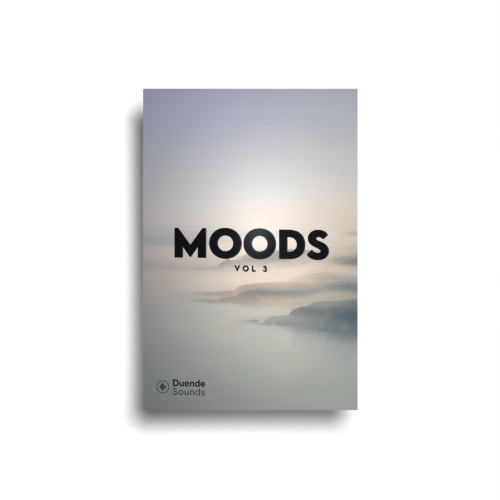
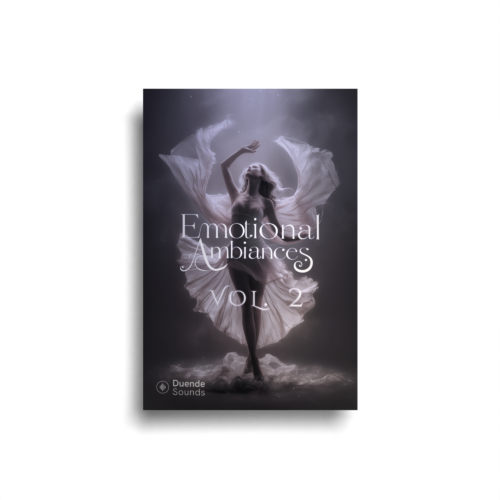
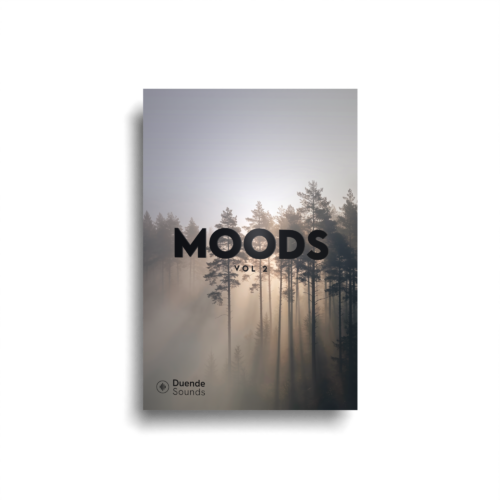
When you’ve heard how the layers stack, these kits are a good place to start — cinematic, trailer-ready, and built to be cut to picture.
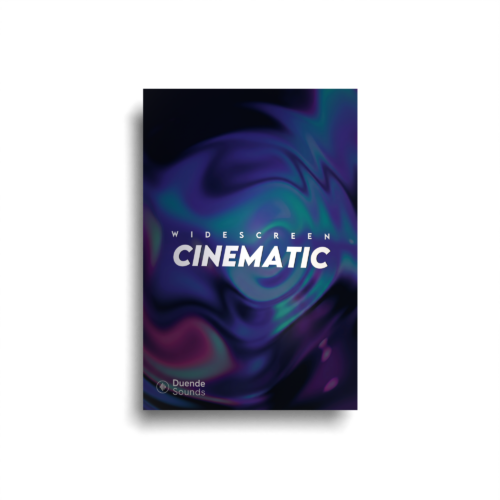
Reach for these kits to build it:
Artlist subscription vs Duende one-time purchase
| What matters to a buyer | Subscription library (Artlist and similar) | Duende Sounds |
|---|---|---|
| Ownership model | Pay monthly or annually for access | Pay once; the kit or album is yours |
| If you stop paying | Already-published work generally stays licensed; new work needs an active plan | Keep using it for new projects, indefinitely |
| What you get | Finished tracks | Layered, key-matched stems plus tonal design elements |
| Control in the timeline | Trim a finished track to fit | Build the cue to the length your edit needs |
| Cost over time | Recurring, for as long as you need new music | One purchase |
| Try before you buy | Varies | Free web mixer and desktop app |
When a subscription is still the right call
Honestly: sometimes it is, and pretending otherwise would make this page less useful. If you need enormous catalogue breadth across every genre, refreshed constantly, and you genuinely draw on the whole library — a subscription earns its keep. If you also want stock footage, plugins or other assets bundled into one plan, an all-in-one subscription is a rational buy. And if you ship high volume continuously, month after month, the per-project cost of renting can work out fine. The rent-vs-own maths only tips toward owning when your workload is lumpy, your needs are focused, or you value keeping the music more than always having the newest catalogue. Know which editor you are before you decide. For a parallel breakdown of the subscription category, see our Epidemic Sound alternative page.
How to switch without breaking your archive
You don’t have to cut over in a day. Because published projects on a subscription generally stay licensed, your finished work isn’t at risk when you stop paying — so there’s no rush to re-license old edits. The clean approach: keep your current plan running for anything mid-flight, buy the Duende kits that match the work you do most, and build your next projects from music you own. Over a few jobs, your new-work pipeline shifts to purchases you keep, and you can let the subscription lapse when nothing new depends on it. Browse the full catalogue in the shop, and if you’re unsure which format fits, the Kits vs Albums vs FX guide sorts it out.