Musicbed Alternative: Own Cinematic Music Outright Instead of Licensing It Per Project
The strongest Musicbed alternative for filmmakers who want to stop paying per project or per month is to buy cinematic music once and own it: a soundtrack kit of key-matched stems you keep forever, shape to your cut, and use in wedding, brand and documentary work under a licence that does not end.
Musicbed Alternative: Rent Per Project, Rent Per Month, or Own It
Musicbed built its reputation on a curated, artist-first catalogue, and it is the library many wedding and brand filmmakers grew up on. People who search for an alternative are rarely unhappy with the music. They are usually reacting to the model: paying for a licence per project or keeping a subscription running, and needing the music to fit the cut rather than the other way round. Every “Musicbed alternatives” list answers that by offering more subscriptions. This page adds the option those lists leave out, and is honest about when Musicbed is still the right choice. Creators on a YouTube-first plan face the same choice in a different form, which we cover in the Uppbeat alternative guide.
Why Filmmakers Look for a Musicbed Alternative
Three reasons come up again and again. The first is cost that scales with output: a wedding filmmaker delivering thirty films a year, or an agency shipping a brand film a week, pays for music thirty or fifty times over, whether per project or per month. The second is rights that depend on a relationship: a per-project licence covers that project, and a subscription covers what you publish while it is active, so the right to keep making new work with the same music is never simply yours. The third is control over the cut. A licensed song is a finished three or four minute arrangement. Vows do not run 3:40, and a product reveal rarely lands on the song’s drop. Editors end up looping, fading early and cutting around the music instead of scoring the scene.
The Three Ways to Pay for Music, Compared
Strip away the catalogues and there are only three models. How you pay and what you receive are separate decisions, and most comparison articles collapse them into a single price table.
| Model | How you pay | If you stop paying | What you receive | Best for |
|---|---|---|---|---|
| Per-project licence (Musicbed for films, PremiumBeat, Pond5) | A fee for each project, or each song | The licensed project stays licensed; every new project needs a new licence | One finished stereo song per licence, usually no stems | The occasional film that needs one specific track |
| Subscription (Musicbed plans, Artlist, Epidemic Sound, Soundstripe) | Monthly or annual plan | Work published while active generally stays licensed; you lose the right to keep building new work | Unlimited finished songs while the plan runs; stems on some platforms | High-volume creators who want finished songs and are happy to keep renting |
| One-time purchase, owned (Duende Sounds Soundtrack Kits) | Buy the kit once | Nothing changes: the kit and the licence are yours, for future projects too | Cinematic cues plus their layers in one key, WAV/MP3, plus a free app and mixer | Filmmakers who deliver regularly and want to shape the music to the cut |
The first two columns are about money and rights. The fourth column is the one to look at twice, because it decides how the music behaves on your timeline.
What You Actually Receive: a Finished Song or the Building Blocks
A licence from a song library, whether per project or by subscription, delivers one finished arrangement. A Soundtrack Kit delivers the cue and the parts it is built from: a low foundation layer (drones, pads), a mid layer (rhythmic loops, chord movement), a top layer (melodies, signature phrases) and bonus tonal hits, risers and transitions. Because each kit is built largely around one key, the layers stack and cross-fade without clashing, within the kit and across kits.
For an editor this changes the job. Under vows you run the pad alone. As the speech turns, you add the mid layer. You save the top layer for the exit and land a tonal hit on the cut to the fireworks. The music holds a feeling for exactly as long as the scene needs and moves when you decide, which is what the guide to tonal sounds for video editing means by scoring with building blocks instead of songs. Every layer is a plain WAV or MP3 that drags straight into Premiere, Resolve or Final Cut. The free desktop app tags every sound by key and tempo so you can audition combinations before you buy, and the mixer below does the same in the browser.
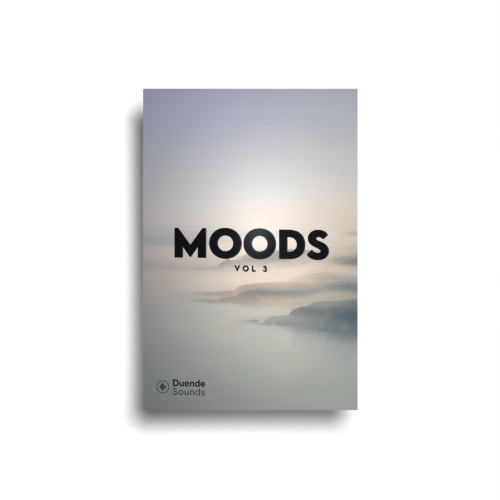
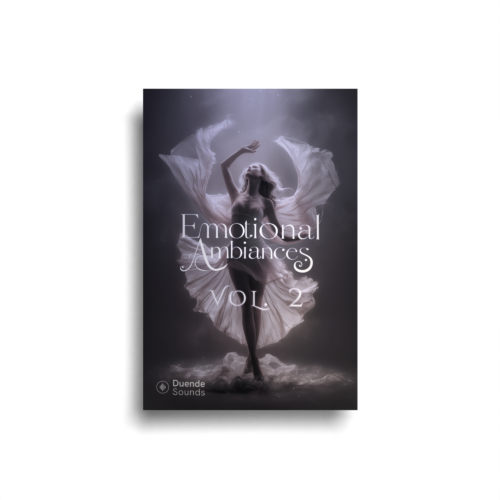
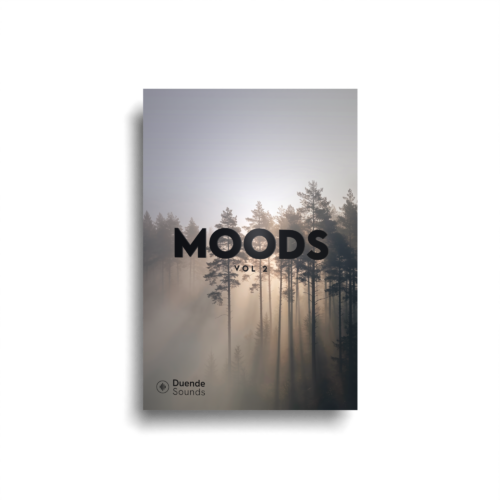
Every layer you’re mixing here is pulled straight from our Moods and Emotional Ambiances series — finished cues you can also break down into stems. Press play, then hit New mix to reshuffle; it all stays in one key, so the layers never clash.
Grab the packs the mixer is pulling from:
A Musicbed Alternative for Wedding Filmmakers
Wedding films are where the per-project model bites hardest: every couple is a new project, and every film needs music that swells at the right moment for this ceremony, not the one the song was written for. Owned, emotional stems solve both problems. An emotional-ambience pad under the vows, a slow chord layer under the speeches, and a full cinematic stack for the exit can be rebuilt film after film from the same kit with no new licence, and the same kit never sounds the same twice because the layers enter and leave on the couple’s timing. Delivered work stays licensed; future work needs nothing further.
A Musicbed Alternative for Brand Films and Documentaries
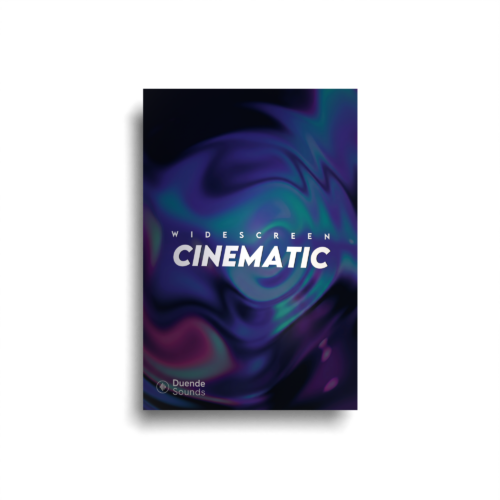
Agencies and documentary teams care about two things a subscription cannot promise: that the music will still be cleared when the client re-cuts the film in two years, and that the score can sit under an interview for four minutes without a chorus arriving. Owned kits answer the first with a licence that does not renew or lapse. They answer the second with layered underscore: a foundation that runs under dialogue indefinitely and movement added only where the story turns. The one-time purchase vs subscription comparison sets out the licensing side in more detail; the packs below are the ones editors reach for when the brief says cinematic, emotional and under dialogue.
Reach for these kits to build it:
When Musicbed Is Still the Right Call
Be honest with yourself before switching. If a film needs a specific song by a specific artist, with vocals and lyrics the client has already fallen in love with, a curated song library is the right tool and Musicbed is one of the best of them. If you deliver two or three films a year, a per-project licence may cost less than building a kit collection. And if your work lives on social platforms and you want a new finished track every day, a subscription’s volume is hard to beat. Duende Sounds is instrumental and cinematic by design: made for picture, built to be shaped, and bought once. It is the better choice for filmmakers who deliver regularly and want the music to follow the cut, not for someone hunting one famous song.
How to Switch Without Losing Your Sound
Keep what you have already licensed; delivered films do not need touching. For new work, start with one kit that matches the register you use most, emotional and cinematic for weddings, widescreen and dramatic for brand films, and learn its layers on the next project. Because everything is in one key, the second kit you add stacks with the first, so a small collection covers a wide range of scenes. If you have been reading the parallel guides to an Artlist alternative or a Soundstripe alternative, the logic is the same: decide how you want to pay and what you want to receive as two separate questions, then choose the model that fits the number of films you actually make.
Frequently asked questions
What is the best Musicbed alternative for wedding filmmakers?
Is there a Musicbed alternative without a subscription?
What happens to my music if I cancel a music subscription?
Can I use one-time-purchase music in client and commercial work?
Is Musicbed worth it compared with buying music outright?
What is a soundtrack kit and how is it different from a song?
If the reason you are searching for a Musicbed alternative is the model rather than the music, the answer is not another subscription. Buy the building blocks once, own them, and score every film on your own timing. Browse the Soundtrack Kits, or try the mixer above to hear how key-matched layers behave before you spend anything.