Why Tension and Horror Music Never Fits Your Cut
Royalty-free horror music for editors works best as tonal, key-matched building blocks — a low drone foundation, dissonant mid layers, risers and impacts — that you stack and thin out yourself. Because they share one key, they cross-fade without the harmony turning to mud, unlike a finished track you have to chop to length.
You know the scene. A hallway. A door left ajar. Your subject walks toward it and the audience needs to feel that something is wrong long before anything happens. So you open a stock library, type “horror,” and get back three-minute compositions with their own intro, build, scare and resolution — a story already written by someone who never saw your footage.
Now the real edit begins. You hunt for the twenty seconds that match your pacing. You loop a section that was never meant to loop. You cut the track dead the instant the jump scare lands, leaving an ugly seam. The dread you wanted to hold for forty-five tense seconds collapses because the music had its own ideas about when to release.
Finished Tracks Are Built for Themselves, Not Your Scene
A finished horror track is a fixed emotional journey. It decides when the tension peaks and when it lets go. That’s fine if your edit happens to match its timeline — but it almost never does. Tension in film is about control: holding a feeling past the point the audience expects relief, then deciding the exact frame where you break it.
A pre-baked song fights you for that control. You can fade it, duck it, or cut it, but you can’t pull out the melody while keeping the unease, or extend the dread for another ten seconds because your actor was slow on the door. The structure is locked. What editors actually need is the raw material that makes the structure — the parts, not the performance.
How Tension Is Actually Built in a Score
Tension in a horror or thriller score comes from a small set of tonal tools working in layers of increasing intensity. A composer establishes mood with a drone, sustains discomfort with dissonance, drives a build with a riser, and lands the payoff with an impact. Strip the genre back and those are the only ingredients you need.
- Drones and sustained tones. Hold a note far longer than the audience expects, often slightly dissonant. Low strings, woodwinds and synths stacked at the bottom of the spectrum give a subterranean dread that sits under dialogue.
- Dissonant mid layers. Clashing harmonies that refuse to resolve keep the viewer uncertain. A second discordant texture layered on the drone sounds “wrong” in a way that unsettles without anyone knowing why.
- Risers and whooshes. These carry the build toward a peak, telling the body that something is coming.
- Impacts and booms. The single hit that lands the scare, the reveal, or the cut to black.
- Restraint and silence. Pulling everything back to one low pulse is often scarier than a wall of sound.
The catch is harmony. Layer two horror cues from different libraries and they often clash — two keys fighting, a muddy low end, a melody that argues with a drone. That’s why most editors give up and use one track at a time. The fix isn’t talent; it’s working with tonal, key-matched sounds that were designed to stack.
Score With Layers in One Key
The layered approach means scoring with building blocks instead of finished songs. You start with a foundation — a low drone or texture — then add a dissonant mid layer, then a riser as the moment escalates, then punctuate with an impact. Each element is one sound on one layer, and you decide when it enters and exits.
Because the blocks are built around a single key, they stack and cross-fade cleanly. The drone, the dissonant strings and the riser all belong to the same harmonic world, so adding a layer thickens the dread instead of creating mud. You build the emotional arc yourself, frame by frame, and it lasts exactly as long as your scene does.
Every layer you’re mixing here is pulled straight from our Moods and Emotional Ambiances series — finished cues you can also break down into stems. Press play, then hit New mix to reshuffle; it all stays in one key, so the layers never clash.
Grab the packs the mixer is pulling from:
Scoring a Hallway Scene, Moment by Moment
Here’s the layered approach on a real scene. Your subject approaches a door. You want unease, then a build, then a single shock, then dead air.
- 0:00 — Foundation. Bring in a low drone, quiet, almost subliminal. Nothing else. The audience feels wrong before they can name it.
- 0:08 — Dissonance. Add a discordant mid texture. The two tones rub against each other and the discomfort deepens.
- 0:20 — Build. A riser climbs underneath as the hand reaches the handle. Energy gathers with nowhere to go yet.
- 0:26 — Impact. The door slams open. A single boom lands on the cut, then everything drops out.
- 0:27 — Silence. One low pulse remains. The held breath after the scare does the rest.
You never hunted for a perfect sixty seconds. You built precisely the sixty seconds your edit needed, and you’d reshape it instantly if the cut changed.
How a Duende Soundtrack Kit Delivers This
A Duende Soundtrack Kit is built exactly this way: cinematic cues plus their modular building blocks. Each kit is organised into layers — a low foundation of drones, textures and pads; a mid layer of rhythmic loops and harmonies; a top layer of melodies and signature phrases; and bonus elements like tonal hits, impacts, risers and transitions. You stack a few layers, one sound per layer, and reshape the cue as the scene moves.
Crucially, the packs are built largely around a single key, so layers within and across kits stack and transition without clashing. The free desktop app tags every sound by key and tempo and lets you audition combinations before you commit — though it’s a helper, not a requirement. Every sound is plain WAV or MP3 that drags straight into Premiere, Resolve or Final Cut. And because blocks are named by feeling rather than technical jargon, you search for “dread” or “unease,” not catalogue numbers.
Which Packs to Reach for When You Need Dread
For tonal horror and suspense, pair a tension-focused kit with dedicated punctuation. Use a horror or cinematic kit for the drones and dissonant mid layers that carry the mood. Then layer a pack of impacts for the booms that land scares and reveals, and a pack of risers and whooshes to drive each build into those hits. Everything sits in compatible keys, so the stack holds together.
Reach for these kits to build it:
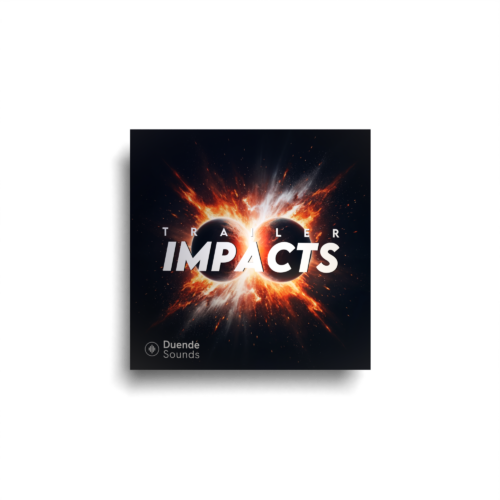
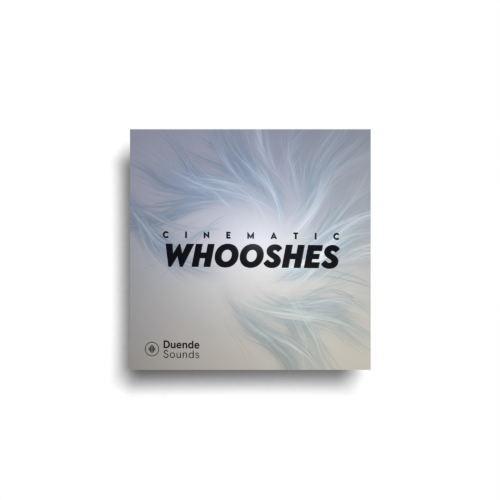
Start with the kit whose foundation matches your scene’s darkness, add the impacts and the risers, and you have a complete tension toolkit you can rebuild for every cut — no subscription, yours once you own it. You can also browse the full range of packs if your project drifts from dread toward something more epic or atmospheric.
Frequently asked questions
What’s the best royalty-free music for horror and suspense edits?
How do I keep layered music from clashing?
What’s the difference between a drone and a riser?
Do I need a DAW to layer music stems?
How do I build a jump scare with music?
Why does silence make a scene scarier?
Build Tension on Your Terms
Stop cutting finished horror tracks to fit and start building the feeling yourself. Grab a tonal kit, a set of impacts and a few risers, and score your next scene layer by layer — held exactly as long as the silence demands.
Free download: grab our Free Horror Sound Pack — cinematic drones, risers and impacts to try in your next edit.