Music for Wedding Videos: The Videographer’s Licensing and Scoring Playbook
Music for Wedding Videos: The Videographer’s Playbook
Music in a wedding video must be licensed for every place the film will be seen — the couple’s private copy, their public social posts, and your own portfolio and ads. Popular commercial songs need both sync and master rights and rarely clear, so licensed production music built for video is the practical choice for a working videographer.
You already know the feeling. The ceremony is cut, the first-look holds beautifully, and then the music fights you — a song that peaks in the wrong place, buries a vow, or forces you to trim the film to fit the track instead of the other way round. This is the complete guide to getting it right: the rights for every destination, the craft of scoring under speech, and the economics of music across a full season of weddings.
Can You Use Copyrighted Music for Wedding Videos?
Generally, no — not without permission, even for a “private” film you were paid to make. A few things that feel like permission are not: the couple owning the song on a streaming service is a personal listening licence, not a licence to put it in a film; a credit line in the description is not a licence; and “it’s only for them” does not change the rights picture once you are being paid. The visible consequence shows up on upload — automated content matching can mute the audio, block the clip, or divert any revenue. A commercial track generally needs two separate clearances, the sync right and the master right, and for a single wedding those are slow and rarely affordable. It’s worth understanding how a sync license actually works for video before you promise a couple their favourite song.
Where a Wedding Film Actually Goes
A wedding film rarely lives in one place. It lands in at least four, and each one asks something different of your music licence. Most licensing trouble comes from assuming a licence that covers one column covers them all. Always read the licence wording against this grid before you deliver.
| Destination | Who posts it | What the licence must cover | Common trap |
|---|---|---|---|
| Private delivery to the couple | You, to them | Use in a commissioned private film | A “personal use” licence that stops at the download and does not survive an upload |
| The couple’s public social posts | The couple | Public distribution on YouTube, Instagram, TikTok, Facebook, Vimeo | Private-only terms; platform content-matching muting the audio after they post |
| Your website, portfolio and channels | You | Promotional use of your own business | Licences that cover the client’s use but exclude you promoting your work |
| Paid ads promoting your business | You | Paid advertising / promoted media | Ad spend sometimes needing broader terms — always check the licence wording for paid ads |
The third row is the one most videographers forget. The film that wins you your next three bookings is an advertisement for your business, and the music in it has to be cleared for that use — not just for the couple’s keepsake.
Where to Find Music for Wedding Videos
There are four honest routes, each with a trade-off. Commercial hits mean negotiating sync and master rights directly — slow, uncertain, and rarely practical for a single wedding; if a couple is set on one specific song, understand the per-use fees of a needle-drop before you commit. Per-track marketplaces sell one cue at a time, which adds up fast across a season. Subscription libraries are fine while you are subscribed — but check what happens to films you delivered before you cancel, and whether a re-edit next year is still covered. One-time-purchase kits you own carry a commercial licence you keep, with no clock running. Each has a place; the right one depends on how many weddings you shoot and how long your films need to stay live.
Scoring Around Vows, Speeches and Readings
This is the part no licensing page teaches, and it’s where most wedding films live or die. A ceremony is built around speech: vows, a reading, a celebrant, a toast. A finished stereo song — with its own melody, its own vocal, its own build — fights every spoken word and peaks wherever the songwriter decided, not where your couple leans in for the kiss.
The fix is to think in layers, not songs. Pick instrumental beds. While someone speaks, keep the music thin — drop the top melodic layer and let a pad or a low foundation hold the room. Duck gently under dialogue so every word stays clear. Then, at the moment that earns it — the first kiss, the aisle exit, the dance-floor montage — bring the full arrangement in and let it swell. Melody and voice should never compete for the same space. And when you move from one cue to the next, match the key so the transition is seamless rather than a jolt. This is underscore — music that serves the moment instead of demanding attention, and it rests on being able to mix sound as layers you control.
Fitting Music to a Teaser, a Highlight, or a Feature
Wedding work comes in edit lengths. The teaser is short and punchy, cut for the couple to post the morning after. The highlight film carries the emotional arc of the day in a few minutes. The full-length feature runs through ceremony and speeches end to end. A single fixed song fits exactly one of these — the rest force you to cut the film to the track.
Stems solve that. When a cue is delivered as separate layers rather than one flat file, you extend it by looping a foundation under a long speech, or shorten it by pulling a layer out — and the music bends to the edit instead of the edit bending to the music. That flexibility is the whole point of working with stems and layers.
Choosing the Mood for the Couple, Not the Trend
Match the music to the couple and the venue, not to whatever sound is trending this season. A small ceremony in a stone chapel wants intimate ambient or romantic piano. A clifftop vow renewal wants a cinematic swell. A loud, joyful reception wants something upbeat to carry the dance floor. The mood should feel like it belongs to these two people — which is easier when you start from the feeling you want and let that choose the music that fits your edit, rather than forcing a popular track to stand in for a mood it was never written for.
The Economics of a Whole Season
Zoom out from one film to a year of them. Per-film licensing adds a fresh music line to every booking, every time. A subscription is a standing cost that keeps billing whether you shoot two weddings a month or none, and once it lapses, any re-edit or new film needs a live plan again. Music you own outright is a one-time cost that keeps working — the same cues, cleared once, reused across every wedding you shoot. Over a season, the difference between renting and owning your music is real money and real peace of mind. It’s worth knowing how royalty-free licensing changes that maths. The same maths gets sharper at listing volume, as we show in our guide to music for real estate videos.
How Duende Kits Deliver This for Weddings
This is exactly what a Duende Soundtrack Kit is built for. Each kit is a one-time purchase with a royalty-free commercial licence for unlimited projects — no subscription, no per-film clock. The music comes as modular, key-matched stems: a low foundation (drones, pads, textures), a mid layer (loops and progressions), a top layer (melodies and signature phrases), plus tonal hits and risers tuned to the same key. Because the layers largely share one key, you can strip the music back to a single pad under the vows, then bring the full arrangement up for the first kiss — without a hard cut and without a clash. Emotional and ambient kits suit ceremonies; cinematic kits suit highlight films. For paid ad campaigns, always check the licence wording for paid ads before you spend. Try the layers in the free web mixer first and hear how they stack.
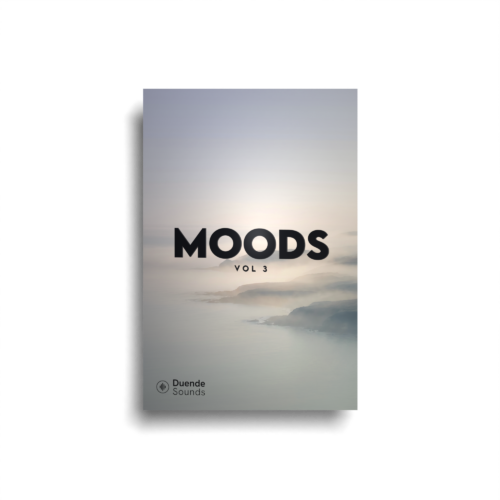
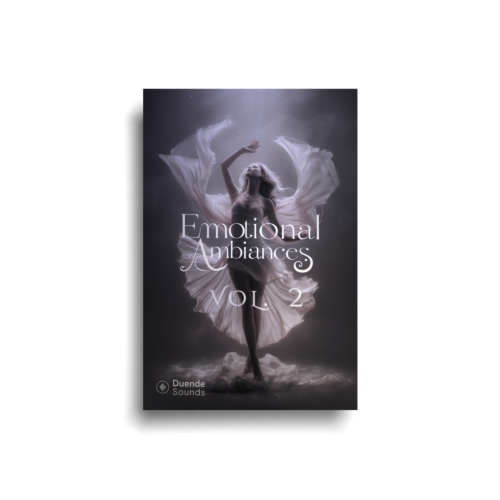
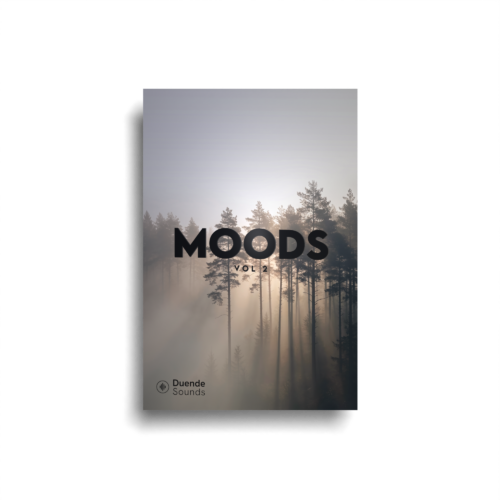
Every layer you’re mixing here is pulled straight from our Moods and Emotional Ambiances series — finished cues you can also break down into stems. Press play, then hit New mix to reshuffle; it all stays in one key, so the layers never clash.
Grab the packs the mixer is pulling from:
Reach for these kits to build it:
If you’re not sure where a kit sits against finished albums and sound effects, the kits vs albums vs FX explainer lays out which format fits which part of the wedding edit.
The Checklist Before You Deliver
Run through this before the film leaves your drive:
- The licence covers every destination — private delivery, the couple’s public posts, and your own portfolio and ads.
- You’ve kept proof of the licence filed against this specific film.
- No temp or unlicensed songs sit in client previews that might get shared before the final cut.
- The music sits under every spoken moment — vows, readings and speeches stay clear.
- Cues share a key, or are crossfaded cleanly on every transition.
- You’ve saved the project’s music list so a re-edit next year is simple and still cleared.
Frequently asked questions
Can I use copyrighted music in a wedding video?
Do wedding videographers need a music license?
Where can I find music for wedding videos?
Is royalty-free music OK for wedding videos posted on social media?
Can I use the same music in a wedding film and in my portfolio?
How do I fit music under wedding vows and speeches?
Score the day the couple actually lived — thin under the words, full for the kiss — with music you own and can reuse every wedding you shoot. Browse the Duende Soundtrack Kits and build your first cue in the free mixer.