Soundstripe Alternative: One-Time Purchase Music You Actually Own
Soundstripe Alternative: Own Your Music Instead of Renting It
Yes — you can buy royalty-free music once and own the right to use it forever, instead of subscribing. Most “Soundstripe alternatives” you’ll find are just another monthly plan with a different logo on the invoice. Duende Sounds takes the other road: a one-time purchase, key-matched stems you can reshape, and a free app to audition before you spend anything.
Most people who search for a Soundstripe alternative aren’t chasing a cheaper library. They’ve just watched a renewal land, or they’ve realised a client film has to stay online for the next five years and they’ve started wondering what “licensed” really means once the card stops being charged. That’s a fair question, and almost nobody answers it honestly. This page tries to.
You’re actually making two decisions, not one
Comparison listicles collapse two separate choices into a single price table. The first choice is how you pay: do you rent access to a catalogue, or buy something and own it? The second is what you actually receive: a finished stereo song, or a kit of key-matched layers you can pull apart and rebuild inside your timeline. These are independent axes. You can rent finished songs, buy finished songs, or — the option that barely appears in that SERP — buy a kit of stems built to fit together. When “alternatives” only change the billing logo, both decisions quietly stay the same. Seeing the two axes clearly is the whole point, because it’s the difference between switching vendors and actually changing how music behaves in your edit.
What honestly happens to your music when you cancel
Let’s be precise, because scaremongering helps nobody. Soundstripe, Epidemic Sound, Artlist, Musicbed and Uppbeat are subscription (or, in a couple of cases, per-track) services. With a subscription, work you published while your plan was active generally stays licensed — libraries don’t typically reach back and revoke the rights to a video you already shipped. What you lose when you stop paying is the right to keep building new work from that catalogue, and the ongoing obligation to keep proving the licence existed if a claim ever surfaces years later. That’s a real, quiet cost for evergreen brand content, festival films, and client projects that must stay online long after the project folder is archived. A one-time purchase removes that thread entirely: you bought it, it’s yours, and there’s no renewal date attached to whether you can keep using it. We wrote about that model in depth in our guide to royalty-free music without a subscription.
Where per-track marketplaces fit — and where they stop
Buying individual licences from a marketplace like PremiumBeat is a genuine ownership option, and it’s fair to say so. You pay once for that track and you own the right to use it — no renewal, no clock. The limit is what you’re buying: one finished stereo file at a time, mixed and mastered as a whole, with no stems and no curated kit around it. If that one song fits your scene at exactly the length you need, great. If it doesn’t, you’re back to fading, ducking and trimming a fixed stereo bounce. That’s the seam a kit is built to close, and it’s worth understanding what changes when the score arrives as layers instead of a single wall of audio.
The part the SERP never mentions: stems in a known key
This is the heart of it. A Duende Soundtrack Kit gives you cinematic cues plus their modular building blocks: a low foundation of drones and pads, a mid layer of loops and chords, a top layer of melodies, and bonus tonal hits, impacts, risers and transitions. Packs are built largely around a single key by design, so those layers stack and transition without clashing. That sounds like a production detail until you’re in the timeline. Then it changes the actual work.
You hold a feeling for exactly the length the scene needs, instead of hunting for a song that happens to be the right duration. You drop the melody out from under dialogue and keep the low bed running — rather than ducking the whole track and losing its energy. And because your impacts, whooshes and risers sit in the same key as the music, your punctuation lands with the score instead of fighting it. That’s what tonal, pitched sound design buys you, and it’s why we treat music and effects as one key-matched system. If you’re new to cutting with layers, our primer on working with stems in an NLE walks through the mechanics. Every sound is plain WAV or MP3 that drags straight into Premiere, Resolve or Final Cut — the kit structure is a gift, not a lock-in.
Duende also ships Albums — finished, ready-to-drop tracks when you just need a cue that works — and dedicated Sound FX packs for punctuation. Some packs are Album and Kit together. If you want to see how those pieces relate before you buy, the Kits vs Albums vs FX breakdown lays it out.
Every layer you’re mixing here is pulled straight from our Moods and Emotional Ambiances series — finished cues you can also break down into stems. Press play, then hit New mix to reshuffle; it all stays in one key, so the layers never clash.
Grab the packs the mixer is pulling from:
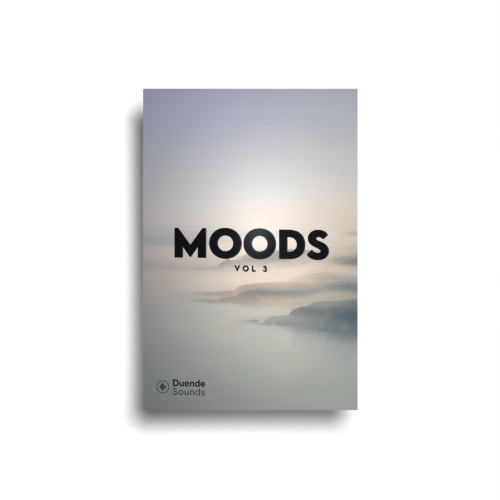
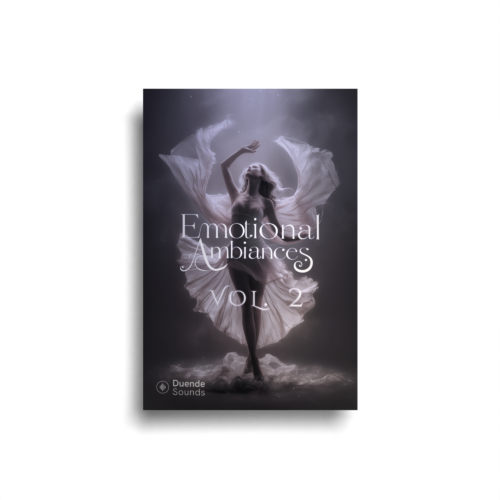
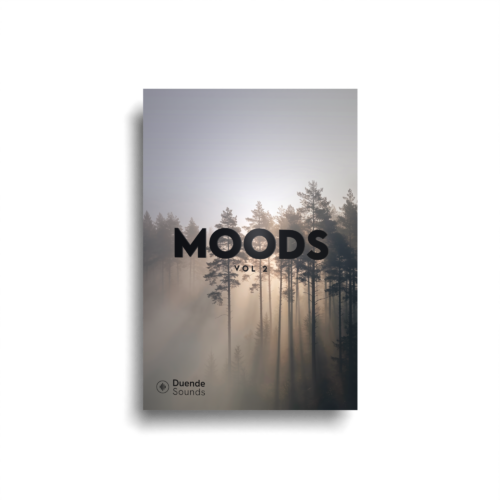
That mixer, plus the free desktop app, is the try-before-you-buy layer the whole category is missing. Every sound is tagged by key and tempo, so you can audition and combine layers — hear how the melody sits over the pad, how the riser resolves into the downbeat — before you commit a cent. Nobody in the “Soundstripe alternative” SERP lets you test the music inside the way you’ll actually use it.
Soundstripe alternatives compared on what matters
Prices and catalogue sizes change constantly, so this table skips them deliberately and compares the four things that don’t move: how you pay, what happens if you stop, what you actually receive, and how cost behaves over time.
| What matters | Subscription libraries (Soundstripe, Epidemic Sound, Artlist, Musicbed, Uppbeat) | Per-track marketplaces (e.g. PremiumBeat) | Duende Sounds |
|---|---|---|---|
| How you pay | Recurring monthly or annual subscription | One-time, per individual track | One-time purchase per kit, album or bundle |
| If you stop paying | Published work generally stays licensed; you lose the right to keep building new work, and must keep proving the licence existed | Nothing changes — the track you bought stays yours | Nothing changes — what you bought is yours to keep using, forever |
| What you receive | Access to a catalogue of finished stereo tracks | One finished stereo file at a time, no stems | Key-matched stems and layers, plus finished cues and matching FX |
| Cost over time | Rises for as long as you keep the plan active | Adds up per track you license | Paid once; owned regardless of future purchases |
If you’re weighing the other big libraries specifically, we run the same honest comparison for an Epidemic Sound alternative and an Artlist alternative, and answer the Content ID and claim questions in our guide to royalty-free music licensing.
Where to start if you want to own your score
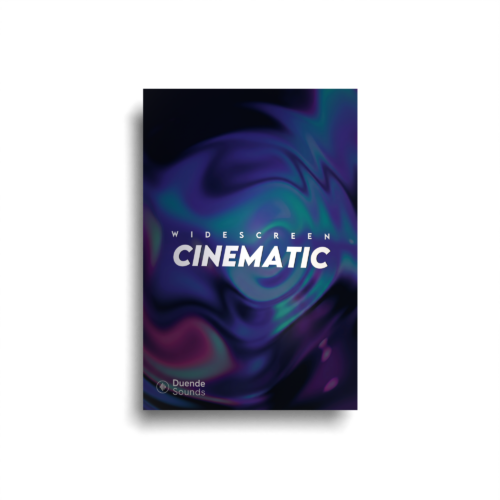
If you cut narrative, brand or documentary work and want a cinematic bed you can reshape, Widescreen Cinematic is the clearest example of the kit model. Moods Vol. 3 is a good entry point for range across emotional registers, and Creator’s Essential Sound Effects gives you the impacts, whooshes and risers that land in key with the music. Browse everything on the shop, or, if you’d rather stop paying per project entirely, the buy-everything-once bundle is the whole library for a single price.
Reach for these kits to build it:
When a subscription is still the right call
Owning isn’t automatically the better choice for everyone, and pretending otherwise would waste your time. A subscription genuinely wins in three situations. First, very high weekly output across many unrelated genres — if you’re publishing daily across wildly different styles, all-you-can-eat access to a huge catalogue is hard to beat on convenience. Second, vocal-led, trend-driven music for social, where you need whatever sound is current this month rather than a score you’ll reuse for years. Third, a team that simply needs one flat invoice and doesn’t want to think about per-project licensing at all. If that’s you, keep the plan — it’s doing its job. Duende is the better pick when you want to own your music, shape it layer by layer, and stop renewing to keep using what you already made.
Try it before you spend anything
The honest way to decide is to hear it in a known key with the layers under your hands. Open the free web mixer, pull the stems apart, and run the free desktop app to tag sounds by key and tempo across your own edits. If it changes how a scene feels — the melody dropping out under dialogue, an impact resolving in key — then owning that toolkit once will serve you long after any subscription would have lapsed. If it doesn’t, you’ve spent nothing. That’s the trade the rest of the category won’t offer you.